The People at the Center of Our Mission

They volunteer for the military’s most demanding missions. Special Operations Forces represent a small fraction of those who serve, yet face an outsized risk of military brain injury. IWF is here to change that.
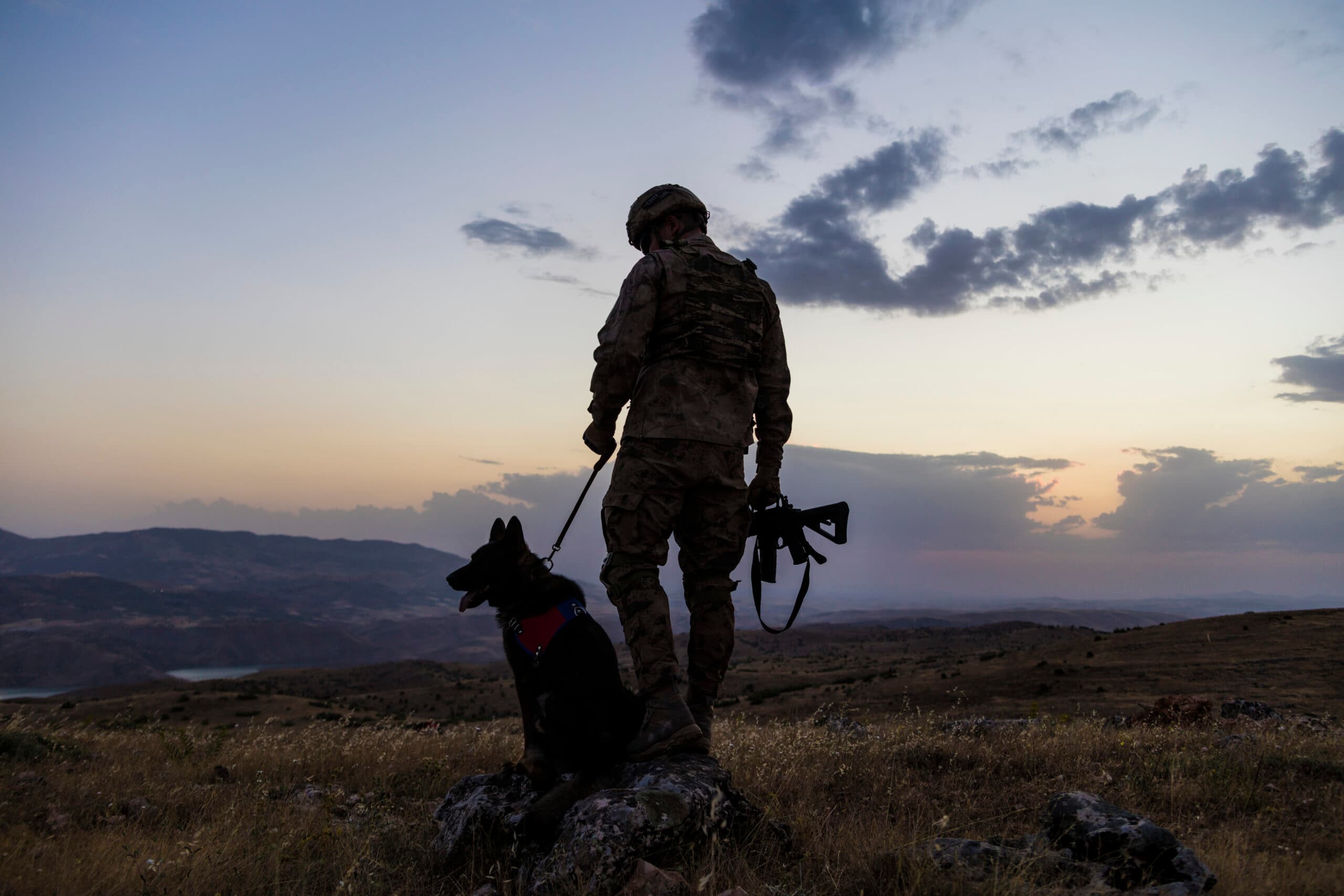
Understanding the Force Behind Our Mission

Who We Serve

The U.S. military comprises more than 1.3 million active duty service members supported by nearly 800,000 reserve and National Guard personnel. Those who serve volunteer for some of the most demanding and dangerous conditions on earth, often at significant cost to their bodies and brains.
The military is organized into five branches, each with a distinct mission: the Army conducts ground operations, the Navy operates at sea, the Marine Corps deploys rapid response forces, the Air Force manages air and space operations, and the Space Force protects U.S. interests in the space domain.
Every service member and veteran carries the weight of their service. But some roles, some deployments, and some branches concentrate physical and neurological risk in ways that are only beginning to be understood. That is why the Invisible Wounds Foundation exists: to accelerate how we diagnose and treat military brain injury among those most exposed, and in doing so, advance care for all who serve.

Why Special Operations Forces?

As the tip of the spear, Special Operations Forces make up less than 5% of the U.S. military yet face a disproportionate burden of military brain injury. Repeated blast exposure and continuous deployments compound over a career, and SOF personnel wait an average of 1,746 days to receive treatment compared to 320 days for conventional forces. When we accelerate care for the most exposed, the benefits reach every service member and veteran who needs it.

"These are not statistics to me. I know these people. I have seen what undiagnosed brain injury does to a person, to a family, to an entire community. We have to do better at understanding and diagnosing what service actually costs."

Shannon Finn Connell

CEO, Invisible Wounds Foundation

Accelerate the Research. Save Lives.

SOF personnel wait nearly five years for treatment. We are working to change that, but we cannot do it without you.

The Cost of Going Undiagnosed

Military brain injury does not end with the individual. Undiagnosed and untreated, it ripples outward, straining marriages, fracturing families, and leaving children in the shadow of a parent’s invisible wound. The VA has documented a strong link between multiple brain injuries and suicidal ideation, a significant factor in the veteran suicide rate, currently estimated at 22 deaths per day. Yet federal funding for military TBI research is declining at exactly the moment the need is greatest, and the cost of that delay is measured in lives and families left without answers.
But when someone gets properly diagnosed and treated, the trajectory changes. That is only possible when we understand the root cause, not just the symptoms. Better research means better diagnostics, better prevention, and ultimately better outcomes for every service member and veteran who has paid the price of service.
That work is already underway. The IWF Military Brain Health Collaborative is the first coordinated national effort to bring together researchers, academic institutions, government agencies, and philanthropic partners to advance military brain injury research. A 2025 RAND report funded by IWF confirmed the urgent need, finding critical gaps in research and calling for greater focus on Special Operations Forces.
See how we’re closing the gap.

We're Listening

If you or someone you love is navigating the effects of military brain injury, support is available right now. You don’t have to figure this out alone.

Who We Serve — Invisible Wounds Foundation | Military Brain Injury Advocacy & Research