Protecting the brain health of those who serve.
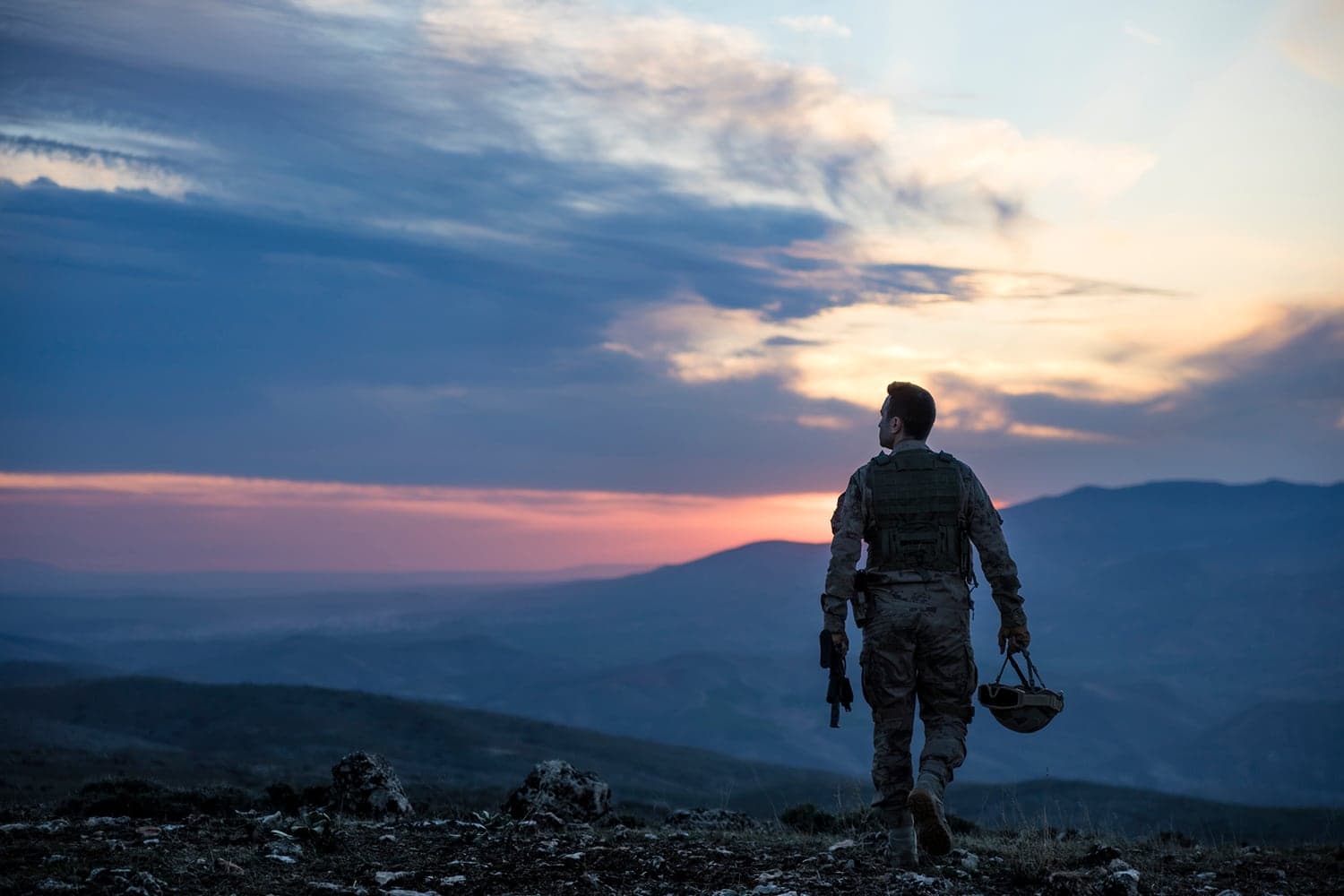
The Invisible Wounds Foundation exists for one reason: to accelerate how we diagnose and treat military brain injury among our service members and veterans, with a particular focus on Special Operations Forces.

We serve as a Chicago-based national hub
bringing together researchers, clinicians, industry, government agencies, policymakers, and funders working in military brain health. Our collaborative approach coordinates and integrates research, builds partnerships, and ensures shared goals.
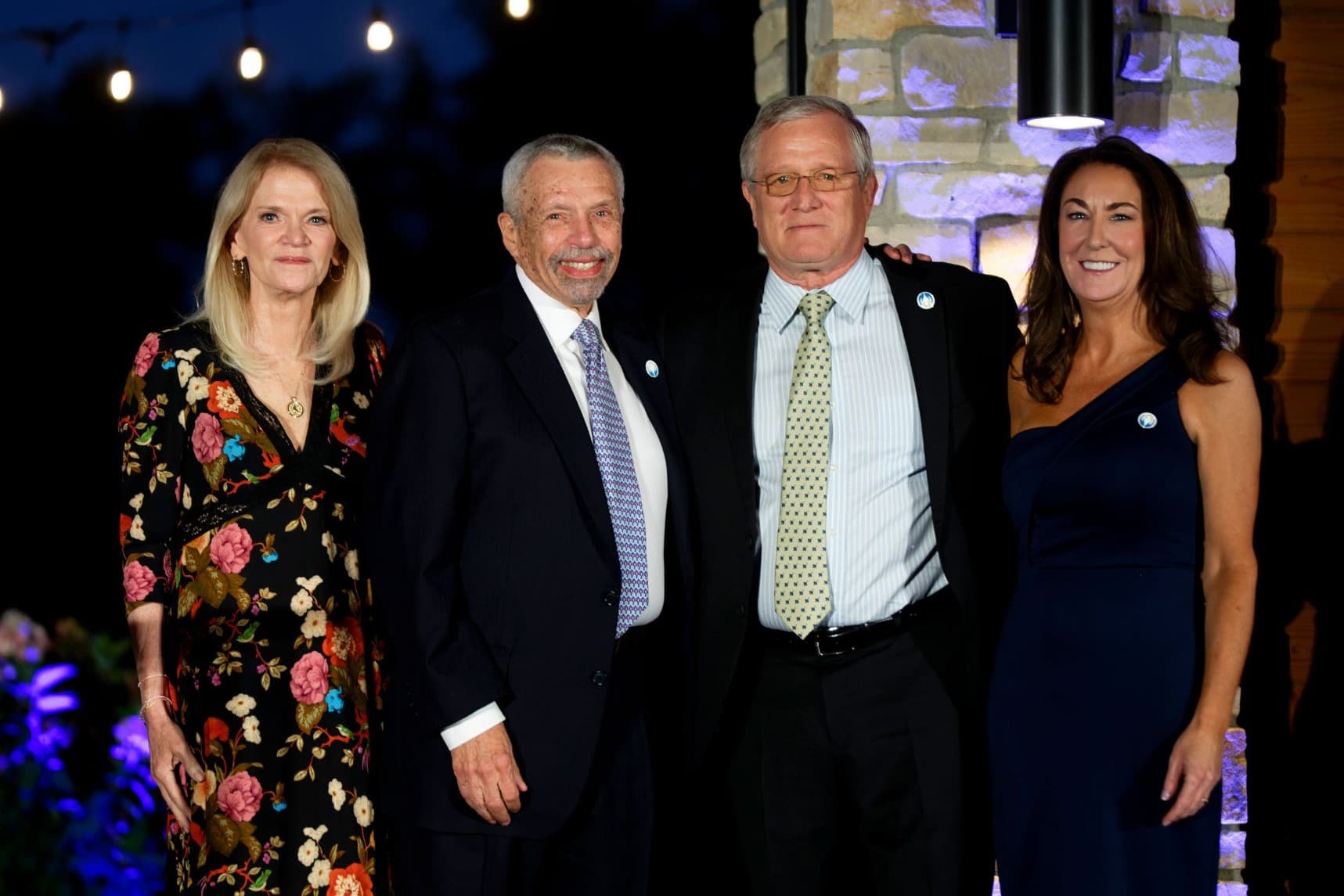
Evening of Honor 2026: Martha Raddatz and the Perl Medal
Traumatic Brain Injury (TBI) is the
Signature Wound of the Global War on Terrorism

500,000+ service members have been diagnosed with TBI since 2000. Experts estimate the true number is significantly higher, as many cases go undiagnosed.

The Department of Defense reports more than 19,000 new military brain injury diagnoses among service members every year.

Veterans with a history of traumatic brain injury have suicide rates nearly three times higher than U.S. adults.
Help Close the Gap
Help us advance research on military brain injury for every service member and veteran.

WE ARE
Science-Forward
We fund and drive rigorous, data-driven research on military brain injury among our service members and veterans, with a focus on Special Operations Forces. Our work advances understanding, early detection, prevention, and practical pathways to impact.


WE ARE
Collaborative
We bring together researchers, clinicians, policymakers, and funders to coordinate and integrate research on military brain injury, reduce fragmentation, and drive progress across the field.


WE ARE
Catalysts
Guided by our Medical and Science Advisory Council, we raise funds, solicit research programs, and select and fund the most promising work on military brain injury.